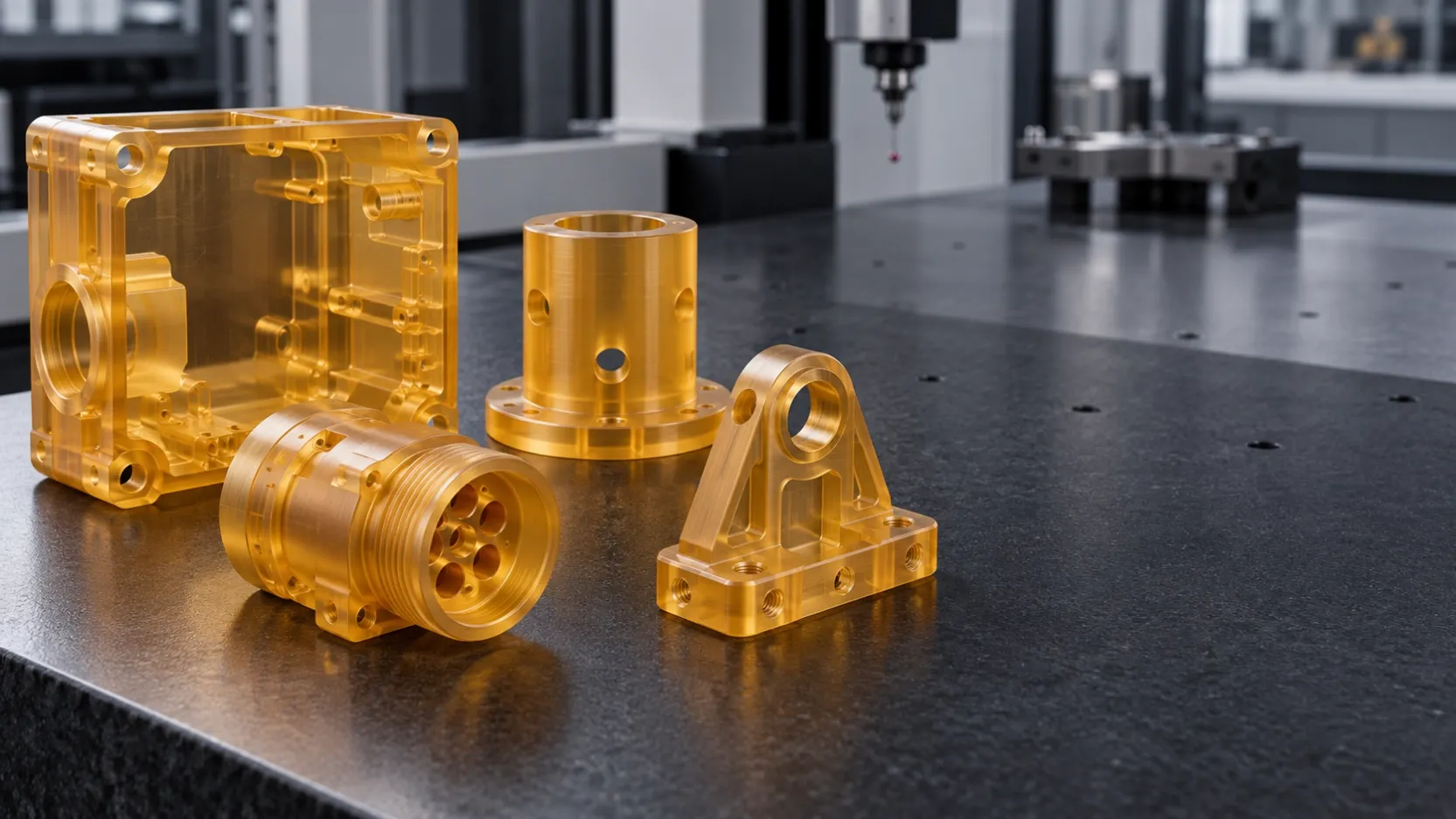
Custom CNC Machined PEI & Ultem Parts Manufacturer
Custom CNC machined PEI and Ultem parts for electrical, aerospace, medical and high-temperature equipment, with grade verification, stress control, inspection and material traceability.
The Part Passed Inspection—Then Cracked During Assembly
PEI, commonly known by the Ultem® trade name, is often selected for heat resistance, electrical insulation, flame performance and dimensional stability. Yet a machined PEI component can still fail when a sharp internal corner, aggressive press fit, poorly supported thin wall or incorrect material grade is overlooked. A dimensionally acceptable part may crack when an insert is installed or move after one side is heavily machined.
Zync Precision machines custom PEI parts from customer drawings, with RFQ review focused on the installed function, exact resin grade, stress concentration, fixturing, deburring, inspection and material traceability.
Specify the Exact PEI Grade
Natural PEI, glass-filled PEI, enhanced-flow grades and customer-approved compounds do not behave identically. Reinforcement changes stiffness, thermal expansion, surface behavior, brittleness and machinability. Specify the full grade designation, manufacturer, color, filler percentage and whether an equivalent is permitted.
If flame rating, electrical performance, sterilization resistance, aerospace documentation or regulatory compliance matters, include the exact requirement before quotation. Material certificates and lot traceability should be agreed rather than assumed.
Where Manufacturers Use Machined PEI Parts
- Electrical insulators, terminal supports and switchgear components
- High-temperature sensor housings and connectors
- Aircraft interior and aerospace equipment components
- Medical-device fixtures and reusable equipment parts
- Semiconductor and test-equipment components
- Prototype and bridge-production parts before molded tooling
Machining Risks That Affect the Real Assembly
Stress Concentration and Cracking
Sharp corners, thin bosses, deep threads and high interference can concentrate stress. Practical radii, controlled edge breaks and realistic assembly loads improve reliability. A metal press-fit rule should not be copied directly into PEI without reviewing hoop stress and service temperature.
Thin Walls and Released-Part Movement
Deep pockets and asymmetric stock removal can release internal stress. Roughing, stabilization and finishing strategy should follow the critical datums. Flatness and position should be checked in the free state unless the drawing clearly defines a restrained inspection condition.
Threads, Inserts and Fastener Torque
Thread form, engagement length, insert type, installation method, boss wall thickness and torque all influence performance. State pull-out, torque and thermal-cycle requirements in the RFQ so the joint can be reviewed as a system.
Edge Quality and Internal Burrs
Cross-holes, small passages and interrupted cuts may leave feathered burrs. Identify sealing paths, electrical surfaces and inaccessible intersections. Cosmetic polishing should never round a functional edge or change a critical fit.
Tolerances Should Follow Function
Applying a tight tolerance to every dimension increases cost without improving the assembly. Mark the datums, mating bores, sealing faces, hole positions and fits that control performance. For elevated-temperature service, clarify whether dimensions apply at room temperature or at operating condition.
Inspection methods should match the feature. Thin PEI parts can deflect under contact measurement, while textured filled grades can influence readings. Agree critical-characteristic reports, sample size and any first-article format at quotation stage.
Prototype the Installed Condition
A useful prototype is evaluated with the intended inserts, fasteners, mating parts, temperature, chemicals and sterilization cycles. Measure critical features before and after assembly where relevant. This separates geometry problems from installation force, grade selection and service exposure.
What to Include in Your PEI Machining RFQ
- 3D CAD model and dimensioned 2D drawing with revision
- Exact PEI or Ultem grade, color, filler and approved supplier
- Prototype quantity, annual demand and target delivery
- Critical dimensions, datum scheme and geometric tolerances
- Operating temperature, electrical and flame requirements
- Threads, inserts, press fits and assembly torque
- Surface, cleanliness and cosmetic acceptance criteria
- Inspection reports, certificates and lot traceability
Request a PEI Manufacturability Review
Send your drawing package to Zync Precision for a practical review of material grade, geometry, assembly stress, machining sequence, deburring and inspection. The goal is a PEI component that remains reliable after installation and service—not simply one that passes inspection on the bench.