Sep 24, 2026CNC Machining Guides
Stainless Steel CNC Machining Supplier: Grades, Tolerances & Finishes
A buyer’s guide to stainless steel CNC machining, covering grade selection, work hardening, tolerances, passivation, inspection, production planning, and RFQ requirements.
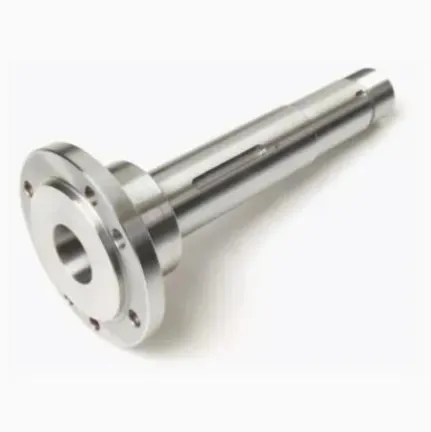
Stainless steel CNC machining is used for precision components that require corrosion resistance, strength, cleanliness, heat resistance, or durable appearance. However, stainless steel is not one material. Grade, condition, geometry, tolerance, surface treatment, inspection, and quantity all affect manufacturability and cost.
This guide helps buyers evaluate a stainless steel CNC machining supplier and prepare a complete RFQ.
Choosing the Right Stainless Steel Grade
303 stainless steel offers improved machinability and is often considered for turned and milled parts where machining efficiency matters. Corrosion resistance, weldability, and application requirements must still be reviewed.
304 stainless steel is widely used for industrial, food-equipment, enclosure, and general corrosion-resistant components. It can work-harden during machining, so stable cutting conditions and suitable tooling are important.
316 stainless steel contains molybdenum and is often selected for improved resistance in marine, chemical, medical, and demanding environments. It may increase tool wear and machining time compared with free-machining grades.
17-4PH is a precipitation-hardening grade used where higher strength and corrosion resistance are required. Specify the required heat-treatment condition because properties and machining behavior depend on it.
Always provide the exact grade, condition, governing standard, and certification requirements.
Why Stainless Steel Is More Difficult to Machine
Many stainless steels retain heat near the cutting edge, work-harden, generate tough chips, and place high loads on tools. Poor process control can cause rapid tool wear, built-up edge, dimensional drift, burrs, or inconsistent finish.
A capable supplier plans rigid workholding, sharp tools, suitable carbide grades, stable feeds and speeds, chip evacuation, coolant strategy, and tool-life monitoring. For production, worn-tool replacement rules are as important as the first successful part.
Design Features That Affect Cost
Deep pockets, thin walls, small internal radii, long-reach tools, interrupted cuts, fine threads, and extensive material removal increase risk. Tight tolerances on every feature also increase setup and inspection time.
Use practical internal radii, identify functional and cosmetic surfaces, apply tight tolerances only where needed, provide cutting and inspection access, clarify edge-break requirements, and consider whether critical features can be completed in one setup.
Tolerances, Datums, and Stability
Critical dimensions should be tied to a clear datum structure. Identify bearing fits, sealing diameters, hole patterns, mating faces, runout, position, flatness, perpendicularity, and profile requirements.
Thin or asymmetric parts may move as material is removed. Residual stress, heat, clamping, and machining sequence must be considered. If free-state geometry is important, show the inspection condition and any required stress relief.
Surface Finish and Passivation
As-machined stainless steel may show normal tool marks. If appearance matters, define cosmetic faces, acceptable marks, grain direction, roughness, and packaging protection.
Passivation removes free iron contamination and supports corrosion resistance. Specify the applicable standard and required certificate. Passivation is not plating and does not hide machining defects.
Other processes may include electropolishing, polishing, bead blasting, heat treatment, grinding, PVD coating, and laser marking. Confirm dimensional effects, masking, cleanliness, and appearance before quotation.
Burr Control and Cleanliness
Stainless steel can produce persistent burrs around holes, slots, threads, and intersecting features. State whether edges require a standard break, controlled radius, sharp condition, or no loose burrs.
For food, medical, fluid, vacuum, or cleanliness-sensitive applications, specify cleaning, handling, packaging, and contamination controls before production.
Inspection and Documentation
Inspection may use micrometers, calipers, gauges, height measurement, optical systems, surface roughness testing, and CMM inspection. The method should match the feature and tolerance.
For production, confirm:
• First-article inspection
• Critical-feature checks
• Sampling plan
• Dimensional report format
• Material certificates
• Heat-treatment or passivation certificates
• Drawing revision control
• Lot traceability
• Nonconformance and record-retention requirements
Reports should identify the part number, revision, specification, measured result, and inspected quantity.
Prototype and Production Planning
Prototype machining validates geometry and function. Production also requires stable workholding, controlled tool life, inspection frequency, secondary-process consistency, packaging, and scheduling.
Provide prototype quantity, future batch size, annual demand, and likely design changes. This helps the supplier quote the correct process rather than applying prototype assumptions to production.
RFQ Checklist for Stainless Steel Parts
Send a dimensioned PDF drawing and STEP model, together with:
• Exact stainless grade and condition
• Applicable material standard
• Prototype and production quantities
• Critical tolerances and datums
• Surface finish and cosmetic criteria
• Passivation, polishing, heat treatment, or coating
• Burr, cleanliness, and packaging requirements
• Inspection reports and certificates
• Target delivery date and destination
• Regulatory and confidentiality requirements
If drawing and model conflict, identify which document controls.
Common Quotation Problems
Quotes are delayed when the grade is missing, heat-treatment condition is unclear, quantity is unknown, passivation lacks a standard, cosmetic surfaces are not marked, or inspection documents are requested only after machining.
Complete information helps the supplier price material, machining, finishing, inspection, and delivery accurately.
Why Work With Zync Precision
Zync Precision supports custom CNC milling and turning for prototype and production stainless steel components. We review materials, geometry, tolerances, finishing, inspection, and delivery requirements before quotation. Our capabilities include multi-axis machining, dimensional inspection, material traceability, and quality documentation.
Request a Stainless Steel CNC Machining Quote
Send your drawing, 3D model, grade, quantity, tolerances, finish, inspection requirements, and target date. We will review manufacturability and clarify risks before quoting.
Frequently Asked Questions
Which stainless grade is easier to machine?
303 is generally more machinable than common 304 and 316 grades, but selection must follow corrosion, strength, weldability, cleanliness, and regulatory requirements.
Why does stainless steel work-harden?
Heat and deformation near the cutting edge can harden the material when tools rub or cutting conditions are unstable. Sharp tools and appropriate parameters help maintain consistent cutting.
Does passivation change dimensions?
Passivation normally has minimal dimensional effect compared with plating, but the controlling standard and critical requirements should still be confirmed.
What files are needed for quotation?
Provide a dimensioned PDF drawing, STEP model, grade and condition, quantities, tolerances, finishes, inspection requirements, packaging, and delivery expectations.
Can stainless steel parts be polished after machining?
Yes. Define the target finish, roughness, appearance, geometry limitations, protected areas, and whether polishing affects critical dimensions.