Cosmetic Standards for CNC Parts: Approve Appearance Before Ordering
Prevent appearance disputes on CNC parts with defined cosmetic zones, viewing conditions, reference samples and post-finish acceptance criteria before ordering.
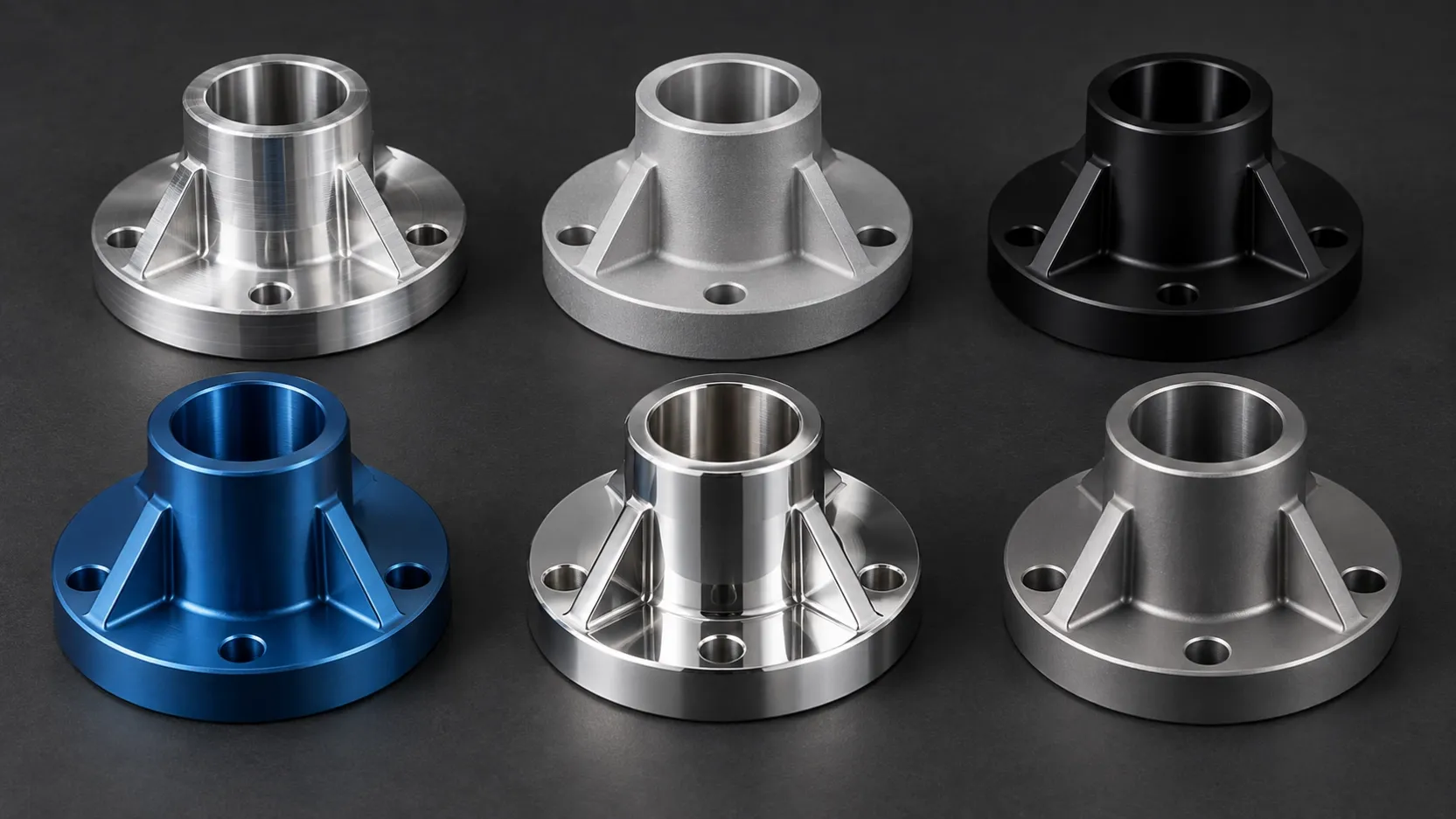
To avoid appearance disputes on CNC machined parts, agree on cosmetic zones, viewing conditions, acceptable defects and a controlled reference sample before production. “No scratches” or “premium finish” leaves too much open to interpretation when a finished part reaches incoming inspection.
This matters for visible housings, covers, handles and other components that customers see or touch. Dimensional conformity, surface texture and visual appearance are related, but they are not interchangeable acceptance criteria.
Start with the surfaces the customer actually sees
Mark the drawing or annotated model to distinguish exposed cosmetic surfaces from concealed or functional surfaces. Use names that your team and supplier both understand; do not assume that an A/B/C label has the same meaning across companies.
| Surface zone | Typical example | What to agree |
| Primary visible | Front face of an enclosure | Permitted marks, color, gloss and inspection conditions |
| Secondary visible | Side or underside visible during use | Which differences from the primary zone are acceptable |
| Concealed | Internal pocket behind an assembled cover | Functional limits and any separate cosmetic requirement |
| Functional | Seal land, bearing seat or electrical contact | Drawing requirements that appearance work must not compromise |
A hidden face is not automatically unrestricted. A burr, damaged thread or contaminating residue may remain unacceptable even where cosmetic marks are permitted.
Why a roughness value does not define appearance
A numerical surface-texture requirement does not describe every visual characteristic. Toolpath patterns, direction of lay, local blending, handling marks and color variation can still matter to your product.
Keep the requirements separate. Specify functional texture where it matters, then define visual expectations for the relevant zones. Do not tighten every roughness callout merely to address a scratch dispute; ask which feature is causing the problem and how it will be evaluated.
Define how inspectors will look at the part
An acceptance rule should explain the inspection setup. Otherwise, one inspector may reject a mark under magnification that another cannot see under normal viewing conditions.
Record the agreed conditions:
- Lighting type and arrangement, including whether direct glare is controlled.
- Viewing distance, angle and orientation.
- Whether magnification is required, permitted or excluded for this cosmetic check.
- Part condition: cleaned, dry and at the defined finishing stage.
- Permitted inspection time or viewing sequence, if relevant.
- Defect definitions and the limits or reference examples that govern each zone.
There is no universal viewing distance or scratch limit suitable for every CNC part. Select a method that reflects your product and can be repeated at both locations.
Use a reference sample without creating a moving target
An approved sample can clarify appearance more effectively than a phrase such as “good quality.” Give it a reference number, date, drawing revision and finish specification. Record which surfaces it represents and whether it illustrates the target condition or an acceptance limit.
Photographs help communication, but exposure, white balance and display settings affect what people see. For color-sensitive work, agree the physical or instrumental comparison method rather than relying only on an email photograph.
If several people approve the sample, designate the person authorized to resolve a borderline case. Keep approval records accessible to purchasing, engineering and incoming inspection.
Check appearance after the complete process
The acceptance stage must be clear. A part that looks acceptable after machining may look different after blasting, anodizing, plating, cleaning or transport.
For finished aluminum housings, for example, discuss the alloy and material condition, preparation, color reference, visible zones, allowable rack-contact locations and masking. These details belong in the quotation review. They should not appear as new rejection criteria after the order ships.
Packaging also belongs in the discussion. Define whether parts need separation, individual protection or restrictions on contact with visible faces. Ask the supplier to identify any protective material that could leave marks or adhesive residue.
Example: an enclosure with two very different surfaces
Illustrative example, not a reported customer project: a buyer rejects faint tool marks on the inside of an enclosure while the supplier has focused its finishing effort on the exposed front panel.
The useful correction is to agree the internal and external acceptance requirements, not simply to request “better finish everywhere.” A marked drawing and controlled sample make the extra finishing scope visible before pricing and allow both sides to inspect consistently.
A short appearance brief to send with an RFQ
Copy and complete this checklist:
- Part number and revision:
- Surface finish and final acceptance stage:
- Marked visible and functional zones:
- Target or limit sample reference:
- Viewing and comparison conditions:
- Defect definitions and permitted limits:
- Masking and rack-contact restrictions:
- Packaging and handling instructions:
- First-sample approval contact:
Frequently asked questions
Can a part pass dimensional inspection and fail cosmetic inspection?
Yes, if both sets of criteria were specified. Dimensional records alone do not establish compliance with a separate appearance requirement.
Can the supplier guarantee that every batch looks identical?
Do not rely on an undefined promise. Agree the allowable variation, reference method and verification scope for the selected material and finish.
Should the approved sample override the drawing?
Define document precedence explicitly. A visual reference should not silently change a material, dimension or functional finish requirement.
Discuss appearance before requesting a production quote
Zync Precision's surface treatment service information provides a starting point for discussing finishing scope. For your part, send a marked drawing, quantity, finish specification and reference images or sample details through the quote inquiry page.
Use the subject “CNC cosmetic acceptance review” and identify the surfaces your customer sees. Ask for clarification of appearance, inspection and packaging assumptions before placing the order.