CNC Deburring and Edge Breaks: What Buyers Should Specify
Specify CNC burr removal, edge breaks and protected sharp edges with a practical drawing checklist, acceptance examples and RFQ questions that prevent assembly problems.
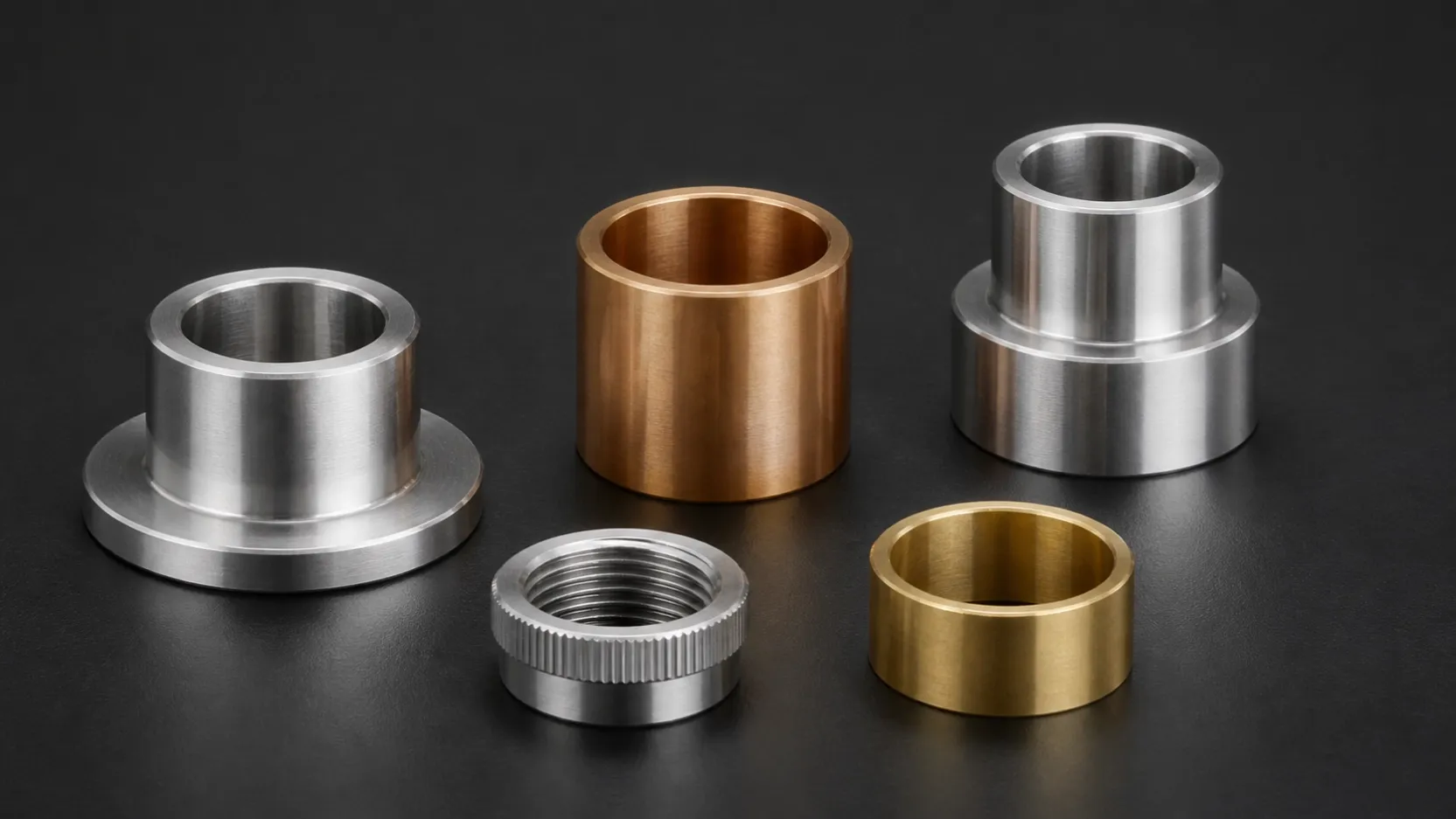
A CNC part can meet its main dimensions and still fail during assembly because a burr scratches a seal, blocks a cross-hole or prevents a mating face from seating. Specify edge requirements by function: where burrs are unacceptable, where a controlled chamfer or radius is required, and where an edge must remain sharp.
Why “deburr all edges” leaves room for disagreement
Removing projecting material and creating an edge break are different tasks. A part can have no loose burr and still have a sharp edge. Aggressive rounding can also remove material needed by a locating shoulder or sealing land.
Separate burr removal, controlled edge geometry and protected functional edges. For a defined chamfer or radius, specify its size, tolerance and applicable locations. Identify exceptions explicitly.
Which edges need individual callouts?
Seal entry edges
Identify the insertion direction, entry geometry and passages a seal crosses. Keep the entry requirement separate from surface finish on the sealing surface. Ask how inaccessible internal edges will be checked.
Cross-holes and internal passages
Mark intersections on a section view. Passing a brush through a bore does not itself establish that every intersecting edge is acceptable. Agree on verification. Discuss cleaning and particle removal separately from edge finishing.
Threads and locating shoulders
Identify thread starts, blind-hole exits and shoulders affecting assembly. An unspecified blend must not shorten a bearing contact surface or change the seating position. Thread inspection does not replace edge inspection.
A drawing checklist for edge-critical parts
- Location: drawing zone, feature number or marked section.
- Function: seal insertion, handling, assembly clearance, seating or fluid flow.
- Geometry: approved chamfer or radius and tolerance, or a limit on material removal.
- Exceptions: protected sharp edges and surfaces that must not be touched.
- Final condition: acceptance before or after coating and cleaning.
- Verification: method, accessibility, sampling and evidence.
If an edge size is undecided, label it pending and request a review. Do not allow an unapproved manufacturing assumption to become a functional requirement.
Example: a sleeve that catches an O-ring
Illustrative scenario, not a Zync customer case: a sleeve passes its bore checks, but an internal cross-hole edge catches a seal during insertion. Tightening the bore tolerance alone does not solve that problem.
A clearer specification marks the intersection, defines the approved edge treatment, protects the bore surfaces and establishes inspection. An agreed trial assembly can supplement dimensional inspection without replacing drawing acceptance.
What affects deburring cost?
Access, number of intersections, material, allowed edge variation and verification effort affect the process. An accessible external chamfer differs from an internal intersection needing dedicated tooling.
Ask quotations to distinguish external edge work, special internal work, cleaning and extra inspection. Compare the same scope rather than different interpretations of “burr free.”
Before approving the first batch
- Which edges have individual controls?
- How are inaccessible intersections reached and checked?
- Could edge work alter a critical diameter, shoulder or coating boundary?
- When does cleaning happen?
- Will the first-article record identify the critical locations?
Frequently asked questions
Is one edge break suitable everywhere?
No. Functional edges need requirements linked to their purpose. Do not apply the same rounding instruction indiscriminately.
Does a roughness value prove that an edge is burr free?
No. Surface texture, projecting material and edge geometry need different checks.
Should deburring happen before or after coating?
Agree the sequence for the actual finish. Reworking an edge after coating can expose base material, while coating can affect final geometry. Define the final condition before production.
Request an edge-critical part review
Send Zync Precision your controlled drawing, CAD model, material, quantity and a marked view of critical edges. Include assembly direction, finishing, cleaning and inspection expectations. Identify undecided requirements before quotation.
Request a drawing-based CNC machining quote or browse custom machining products and services. Write “edge-critical part” in your inquiry and list the features you want reviewed.